PUBLISHED
Chapter One
On Your Best Behaviour
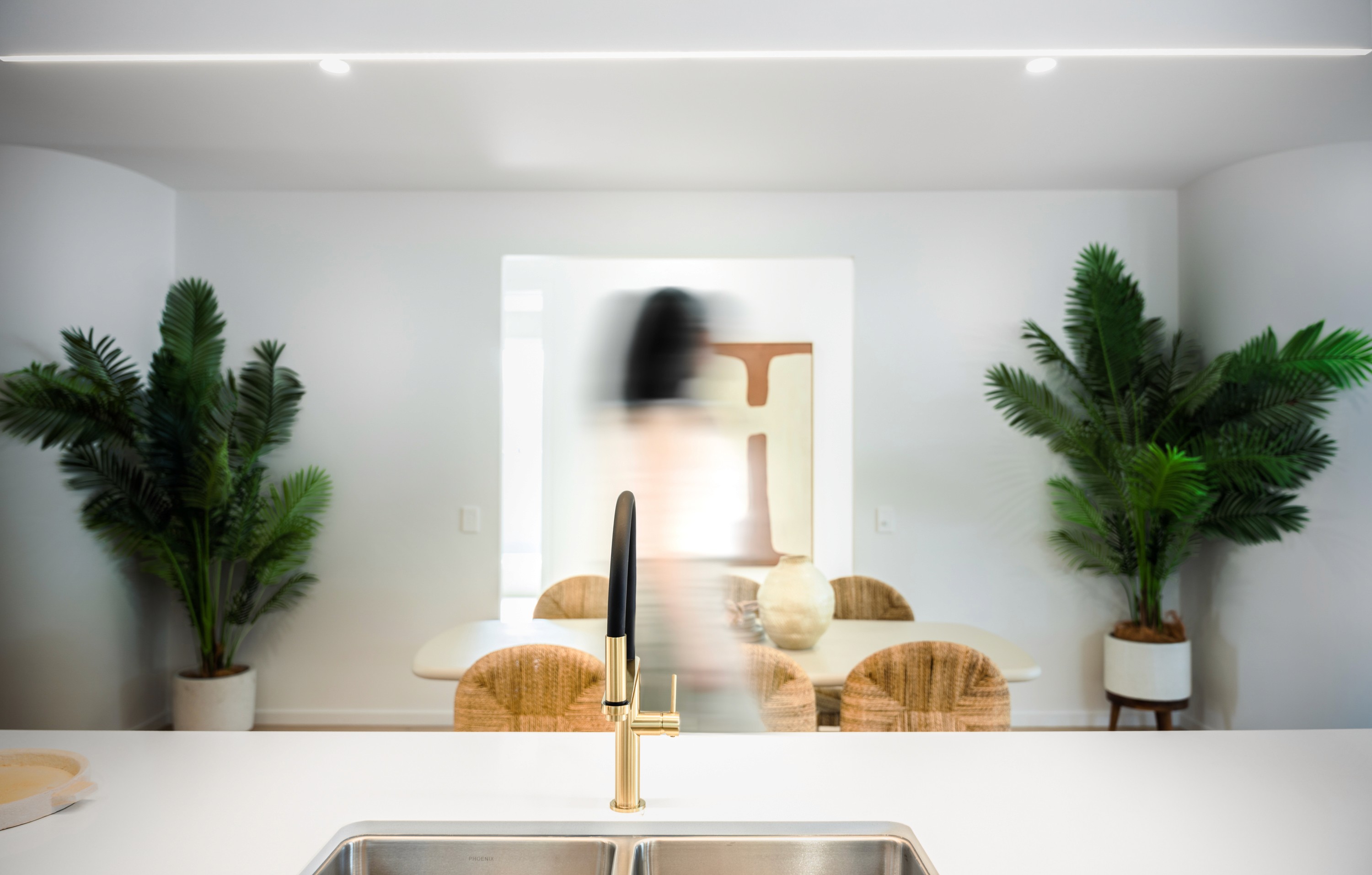
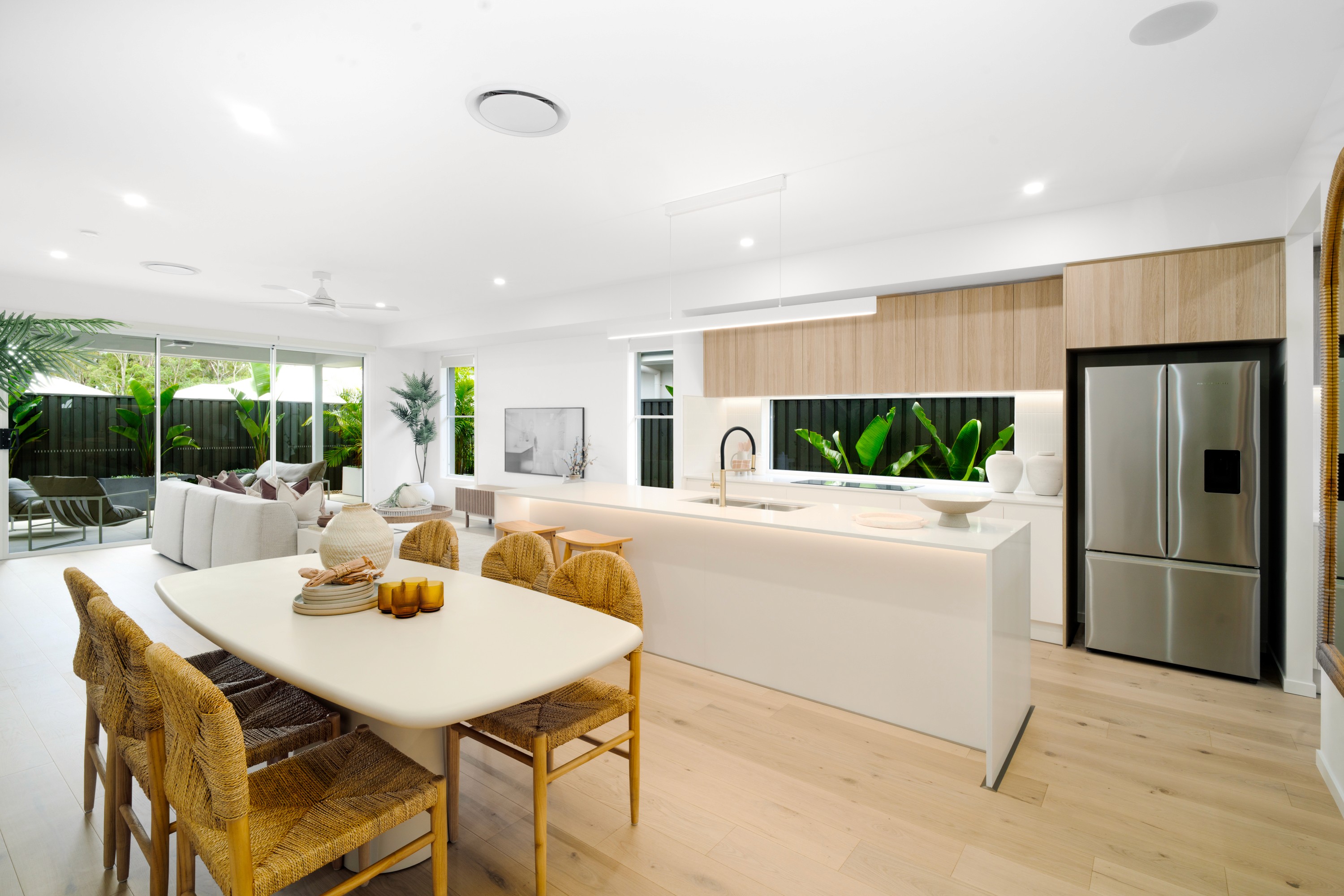
To be fair it’s a lovely invitation. We all understand what it’s supposed to mean. Relax a little. You’re welcome here. There’s no need to be on your best behaviour. But being told to feel comfortable and actually feeling comfortable are two slightly different things and we think about that quite a lot when it comes to building homes. Because our industry has a bit of a habit of putting everyone on their best behaviour. The display home is immaculate. The cushions have never met a human back. There’s a dining table set for a dinner party that nobody is coming to and somewhere in the bathroom there’s a towel that has probably never been wet. We’re allowed to say this because we have display homes too and yes we’ve also spent time making sure everything looks just right. The risk is that you walk through a place like that and start imagining a slightly different version of yourself living in it, like someone who apparently has fresh lemons in a bowl at all times. We’d love to meet that person, we’re just not convinced they’re the person we should be designing your home around.
Chapter Two
You Can Leave That Out
A new home gives you a chance to change things and that’s part of what makes it exciting. You might finally have room to host Christmas or a kitchen where two people can cook without repeatedly asking each other to move. It makes sense to think about the life you want to build there. We just think your actual life deserves a place in the conversation too. If everyone ends up in the kitchen whenever you have people over, that tells us something. If you need somewhere quiet to disappear to after work, that tells us something else. And if your dining table spends most of its time being an office, a homework station or a place to put things you’ll deal with later, we’d rather understand that now than imagine it permanently set for six. These aren’t necessarily the things you lead with when someone asks what you want in a home. You’re more likely to have a few saved pictures and an idea of how many bedrooms you need. It can take a little longer to talk about what frustrates you in the place you live now and which habits you have absolutely no intention of changing. We want there to be room for that conversation. Room to say you don’t like something even if everyone else seems to love it. Room to admit you’re unsure what a word means or that you’ve changed your mind since the last conversation. There are enough decisions involved in building a home without feeling like you need to give the right answer to every question. And we have a responsibility in that too. Once you’ve spent years looking at plans and talking about homes, it’s easy to start filling in the answers yourself. We might know what usually works in a space, but we still need to understand how you’re going to use it. Otherwise we’re making decisions around someone we’ve imagined and asking you to move in afterwards. For us having NOTHING TO HIDE® has to make room for those honest conversations in both directions. We need to explain things clearly enough that you can tell us what you think. You should feel comfortable enough to do exactly that. Including when the answer is that you really don’t like the thing we’ve just shown you. We’ll survive. It’s your house.
Chapter Three
Excuse the Mess
By then the house has probably settled into a few routines. There’s a spot everyone leaves their shoes, whether or not it was the spot originally intended. The kitchen has hosted a few meals. People have favourite places to sit. The dog has made its position on the furniture very clear. Some of the things you were certain about during the planning stage might matter less than you expected. Other decisions might quietly make your day easier so often that you stop noticing them. Having somewhere to put everything when you walk in. Being able to have people over without feeling on top of each other. Finding a little space to yourself when the rest of the house is busy. That’s the life we have to keep in mind while we’re looking at drawings and choosing finishes. The ordinary day when you’re tired, there’s washing to do and nobody knows what’s for dinner. We want the home to work for you then too. We’ll still straighten the cushions in our display homes. We’ll still want everything looking good when we hand over your keys. But what we’re really hoping is that somewhere along the way you start to feel comfortable enough to ask every question, tell us what you actually want and stop worrying about what you’re supposed to like. Then, when you’re finally in, you can put your feet up. Have people over. Tell them to excuse the mess even though you probably spent the last hour making sure the place is spotless. And when you say “make yourself at home”, hopefully they’ll know you mean it.
Stay Social