PUBLISHED
Chapter One
Nobody Asked About the Hinge
We haven’t asked whether that person was invited back, but we imagine they made a pretty good first impression. To most of us a hinge becomes interesting at roughly the point a door stops working, until then it’s doing its job somewhere in the background while we get on with ours. Greg has a slightly different relationship with these things. He chose the hinges carefully, he liked their shape and how they looked on the door. It was a small part of building an entire house and presumably there were plenty of other things he could have been thinking about, but he wanted it done that way so that’s how he did it. There’s something quite funny about putting that much effort into a detail and then living with it for thirty years while almost everyone walks straight past. There’s also something we really like about it… Greg knows it’s there, he knows why he chose it and what it took to get it right. It’s a useful little introduction to the people behind DARE®. We’ve got a team with a lot of experience and as it turns out, some fairly strong opinions about things you might never have considered having an opinion on. Put them together and a small question can become quite a long conversation which is probably where we should admit that yes, we’ve been overthinking it. Although we’d like a chance to explain ourselves before you tell us to stop.
Chapter Two
While We’re Looking at It
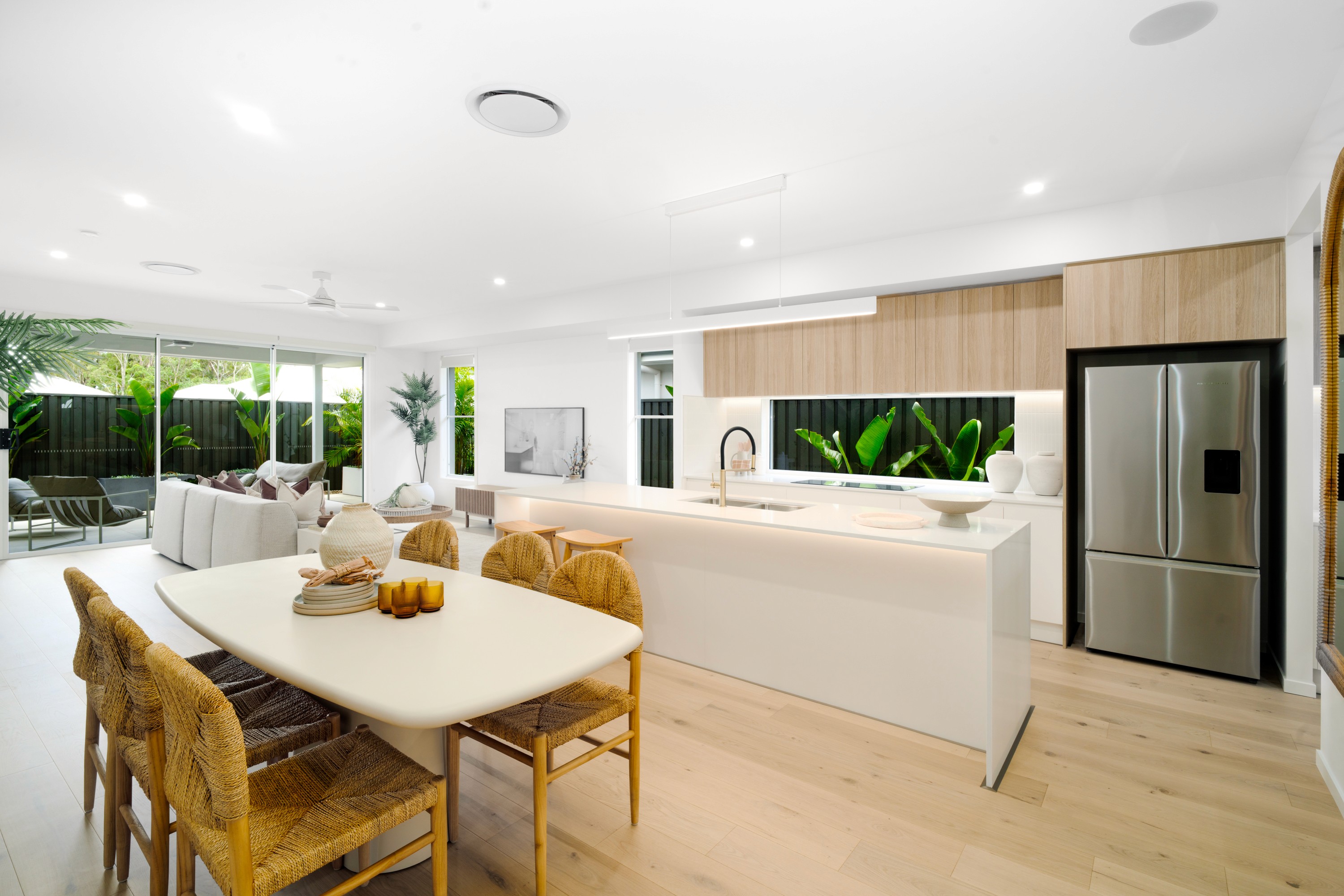
For our team those observations come with the job. Greg talks about finishing points and how a kitchen comes together while our designers think about how colours and materials flow through a home. There are practical requirements to work through too, which means something that looks simple at the end might have taken quite a bit of thought to get there. The tricky part is knowing which details deserve another look and which ones we need to leave alone. Once you start paying attention there’s almost always something else you could adjust. At a certain point we do still need to build the house. We think the useful question is what the extra thought actually does for the person living there. Sometimes there’s a clear answer. A better position makes something easier to use. A change helps a space feel more connected. Those things might seem small on their own, but you live with the result every day. Other times, we might simply be getting very attached to our own opinion. Experience doesn’t make anyone immune to that. You can spend so long looking at a detail that you forget to step back and look at the whole room or remember that someone else is going to live in it. That’s something we have to keep checking ourselves on. We want people to benefit from the attention we put in, but we also need to know when we’re making something more complicated than it needs to be.
Chapter Three
Nothing to See Here
You probably won’t stand in your new kitchen and mentally thank everyone who thought about how it would come together. You’ll be making breakfast. It can be tempting, especially when you’ve put a lot of work into something, to want people to see every bit of it. To explain why this is here and how long that took and what we changed along the way. But sharing the thinking doesn’t mean you need to become as interested in every detail as we are. You should be able to ask about it and understand the decisions that affect your home, most importantly you should be able to walk through the front door and get on with your evening without receiving a small presentation about the hinges. That’s where Greg’s story keeps coming back to us. He’s lived with those screws lined up for almost thirty years. People have come and gone, his children have grown up in the house and life has happened around a detail that almost nobody has pointed out. Yet he still talks about it with pride. We like having people who care enough to look closely, even when there’s a good chance nobody will congratulate them for it. People who bring what they’ve learned over years of doing the work and still find something worth paying attention to. So yes we’ve been overthinking it. We’ll keep asking ourselves whether the extra thought is helping and we’ll keep making room for someone to say it’s time to move on. But if you ever visit Greg’s house, have a look at the front door hinges. He’s been waiting a while for a second opinion.
Stay Social